Skip to content
Clear communicationFree inspections
Call now (212) 555-0132
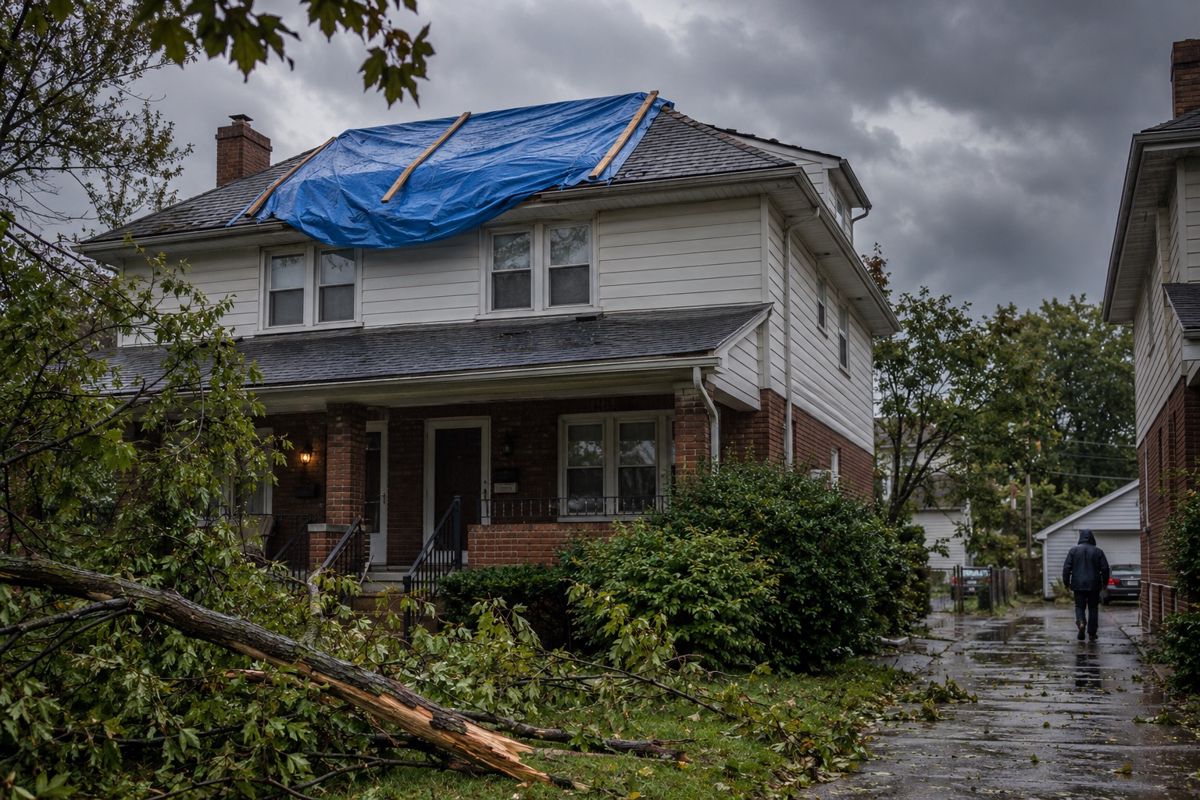
Tarp secured over storm-damaged shingle roof on a Queens house

Roofing in New York City, NY

Storm damage roof repair in New York City

Help with wind, rain, snow and hail damage to roofs in the five boroughs and nearby New Jersey towns. Call and tell us what happened.

  • Temporary cover to limit further damage
  • Wind, water, snow and hail damage
  • Photos and written scope for your insurer

Step 1 of 3

What do you need?

What counts as storm damage to a roof in New York City?

Storm damage is any harm to the roof caused by weather, such as torn or missing shingles, lifted flashing, ripped membrane, damaged drains, broken skylights or water that has come through the ceiling. In this part of the country the usual causes are nor'easters, thunderstorms with strong gusts, heavy snow and ice, and the remnants of tropical storms. Hail is less common than wind and rain, but it does happen.

Damage is not always obvious from the street. A roof can look fine and still have loose seams or lifted edges that let water in at the next rain. That is why a check after a big storm is worth doing even when nothing is dripping yet.

What should you do first after a storm?

Safety comes before the roof.

  1. Stay off the roof. Wet surfaces and loose material are dangerous.
  2. Look for active leaks inside and move belongings away. Put a bucket under drips and protect floors.
  3. Take photos and video of the damage from the ground and from inside, with dates.
  4. Call your insurer or the building's managing agent to start a record.
  5. Call a roofer to look at the roof and, if needed, put temporary cover in place.

If you smell gas, see sparks or notice a ceiling sagging with water, leave the area and call the proper emergency service first. A roofer is for the roof, not for those risks.

How does temporary protection work?

When weather is still bad or a full repair needs materials and permits, a crew can secure the roof with temporary cover. That usually means tarps fastened to the roof, boards over broken openings or a temporary seal at a torn section. The goal is to keep more water out until a proper repair can be done.

Temporary cover is not a fix. It should be written up as a short step with a clear follow-up plan. Ask what was installed, how long it should hold and when the permanent repair can start. If the damage is limited to one detail, the permanent step may be a straightforward roof repair. If large areas were hit, roof replacement may be the right answer.

Policies differ, so read yours. Many cover sudden storm damage but not wear and tear, and many have a deductible. Some policies treat wind and hail differently from other causes.

  • Report the damage promptly and keep every photo and receipt.
  • Ask the roofer for a written description of what was damaged and what work is needed.
  • Be careful with anyone who knocks on doors after a storm and asks you to sign over your claim.
  • Get your own quote even if the insurer sends an adjuster.

For co-ops and condos, the building usually files the claim for the roof, so contact the managing agent. We can provide a written scope, but your insurer makes the decision on coverage.

What affects the cost and timing of storm damage work?

Storm repairs vary widely, so we do not post prices. A few shingles on a pitched roof is a small job. A torn flat roof membrane with wet insulation is a larger one. Costs also depend on access, how much decking is damaged and whether permits or scaffolding are needed.

Timing depends on weather, material availability and how many roofs in the area were hit. After a big storm many owners call at once, so schedules can stretch. Ask what is possible and what is not, and get the plan in writing. After the roof is secure, a roof inspection can confirm nothing was missed. You can also begin at our home page.

What you can expect

1

Clear communication

2

Free inspections

3

Written estimates

4

Local crew

Questions about roofing in New York City

Is hail damage common on roofs in New York City?

Hail is less common here than wind, heavy rain and snow, but severe thunderstorms can bring it. Hail can bruise shingles, dent metal and crack membranes without leaving obvious holes. If a storm brought hail, ask for a roof check even when no leaks have shown up yet, because damage may only appear later.

Should I tarp the roof myself?

We advise against it. Working on a wet or damaged roof is dangerous, and a poorly fastened tarp can blow off or cause more damage. Cover the contents inside, collect the water and call a roofer. If a tarp is needed, let a trained crew install it safely and in the right place.

Will my insurance pay for storm damage to my roof?

It depends on your policy. Many cover sudden storm damage but exclude wear and age, and most have a deductible. Read the wind and hail terms, report the damage quickly and keep photos. A written description from a roofer helps, but only your insurer can say what is covered.

How soon should I report storm damage?

As soon as you can. Many policies set a time limit for reporting, and quick reporting also makes it easier to show the damage came from a specific storm. Start with photos and a note of the date and weather, then contact your insurer or managing agent in writing.

Can storm damage to a flat roof be repaired in cold weather?

Temporary protection can be installed in cold or wet weather, but many roofing materials and adhesives need certain temperatures and dry surfaces for a lasting repair. A roofer may secure the roof now and schedule the permanent work for better conditions. Ask for that plan in writing.

How it works

  1. Call or request a quote

    Tell us what is happening with the roof.

  2. Free inspection

    A roofer checks the roof and gives a written price.

  3. Work done right

    Clean crew, nail sweep, warranty in writing.

Request storm and hail damage

Tell us what you need and we call you back.

Step 1 of 3

What do you need?

No obligation.

Ready when you are

Call now or request a quote online.

(212) 555-0132
Get my free quote