Skip to content
Clear communicationFree inspections
Call now (212) 555-0132
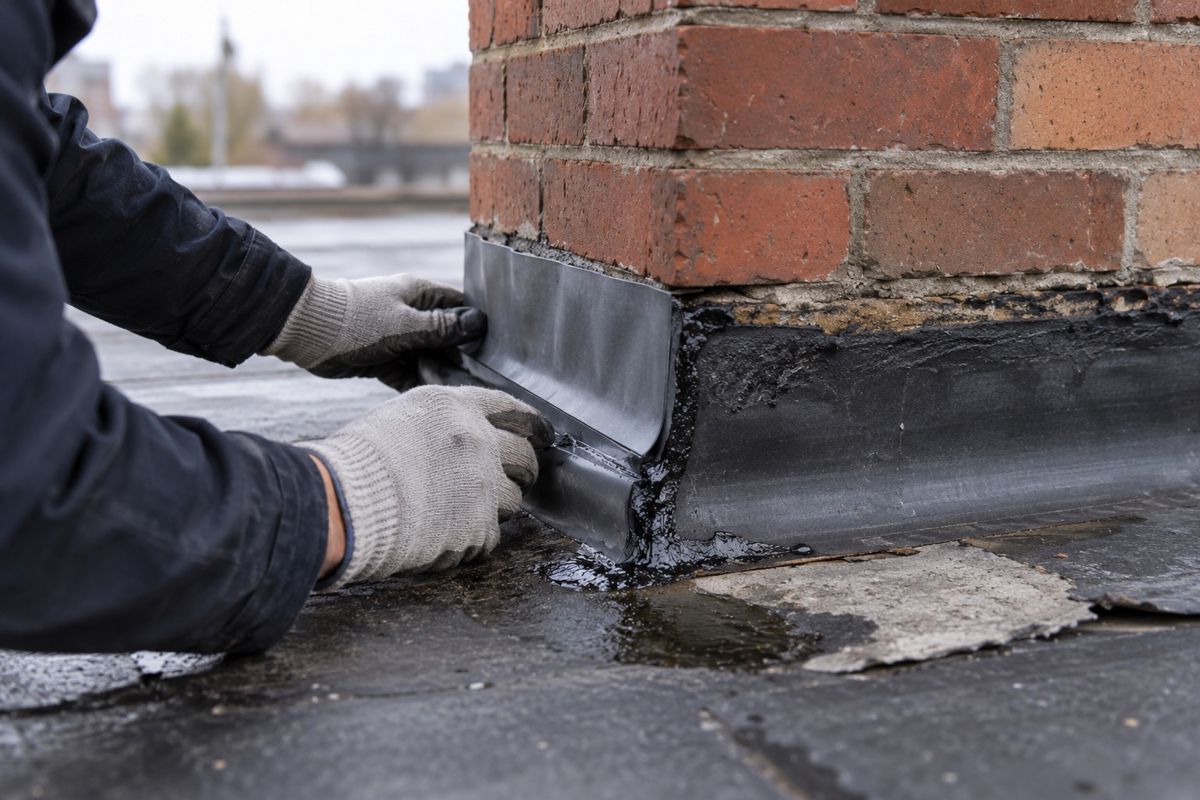
Gloved hands sealing flashing at the corner of a roof parapet

Roofing in New York City, NY

Roof repair and leak detection in New York City

Find where the water is getting in and fix that spot properly. You get the scope and price in writing before work starts.

  • Leaks at flashing, seams, drains and parapets
  • Flat roofs, row houses and pitched roofs
  • Written scope before any work starts

Step 1 of 3

What do you need?

What does roof repair in New York City cover?

Roof repair means fixing a specific problem without replacing the whole roof. In the city that usually means a leak at a flat roof seam, torn flashing around a parapet or hatch, a clogged or damaged drain, cracked sealant at a chimney or skylight, or missing shingles on a pitched roof.

A good repair starts with finding the real source of the water. A patch on the wrong spot may hold for a week and then fail. The repair should also match the existing roof system so the new work and the old work move together as the building expands and contracts with the seasons.

Where do roofs leak most often in New York City?

A few details cause most of the trouble.

  • Parapet walls and coping. Cracked masonry or loose flashing lets water in at the edge of the roof.
  • Drains and scuppers. Debris blocks them and water ponds on the roof.
  • Seams and penetrations. Pipes, vents, skylights and hatches are all places where a seal can fail.
  • Chimneys and bulkheads. Mortar and flashing wear out over time.
  • Shared walls. In attached row houses, water can come in where your roof meets the neighbor's.

Water often travels along beams and ceilings before it shows up, so a stain in a bedroom can sit well away from the actual hole.

How is a roof leak found?

It starts with questions. When did the stain appear, does it grow after rain or snowmelt, and has anything been patched before? Then comes a look at the roof surface, the flashing, the drains and the walls around the roof, plus the ceilings and walls below when they can be reached.

On flat roofs, crews often check where water ponds, where seams have opened and where the membrane has blistered. Sometimes a section is tested with water to narrow down the source. A roof inspection goes further and covers the whole roof, which helps when you suspect more than one problem.

You should get a plain explanation of what was found, ideally with photos, before you agree to the work.

Repair costs vary because roofs and leaks vary. We do not post prices, but these are the main factors.

  • How big the damaged area is and how hard the source is to find.
  • The roof type and how old the existing material is.
  • Access, including how high the roof is and how materials get up there.
  • Whether wet insulation or decking needs to be replaced.
  • Whether the repair needs scaffolding, hoisting or permits.

Ask for a written quote that names the exact area being repaired and the materials used. If the quote only says "seal the roof", ask for more detail.

How long does a repair take, and when should you replace instead?

Many repairs are finished in a day, but that depends on the damage, the weather and access. Dry conditions are needed for most flat roof work, so a rainy week can move the schedule. On the day, expect the crew to clear debris, prepare the area, make the repair and check it.

If the roof has several leaks, soaked insulation or material that is worn through across large areas, repeated repairs may cost more over time than a new roof. In that case look at roof replacement and compare. Call as soon as you see a stain, because water that sits inside walls causes damage that is expensive to fix. You can also visit our home page to see all services.

Clear communication
Free inspections
Written estimates
Local crew

Questions about roofing in New York City

How do I find out where my roof is leaking?

Look for stains on top-floor ceilings and at walls near the roof edge, then have someone check the roof surface, flashing and drains. Water often travels before it shows, so the stain may not sit under the hole. A professional check traces the water back to its real source before any repair starts.

Can a flat roof leak be fixed without a full replacement?

Often yes, if the problem is limited to a seam, flashing detail, drain or small damaged area and the rest of the membrane is in decent shape. If the roof is worn through or the insulation underneath is soaked, a repair may only buy a short time. An inspection can tell you which situation you are in.

Why does my ceiling stain appear only after heavy rain?

Small openings often leak only when a lot of water arrives at once, or when water ponds on a flat roof and reaches a weak spot. Wind-driven rain can also push water sideways behind flashing. Because the leak is intermittent, it helps to note the date and weather each time it appears and share that with the roofer.

Do co-op or condo owners handle roof repair themselves?

Usually the building corporation or condo association is responsible for the roof, not the individual unit owner. Check your proprietary lease or bylaws, and report the leak to the managing agent or board in writing. If you are on the board, we can look at the roof and give a written quote for the repair.

Is a temporary patch a good idea?

A temporary patch can limit damage until a proper repair is possible, for example when the weather is wet and the roof cannot be worked on. It should not be treated as the final fix. Ask what was done, how long it should last, and what the permanent repair would involve.

How it works

  1. Call or request a quote

    Tell us what is happening with the roof.

  2. Free inspection

    A roofer checks the roof and gives a written price.

  3. Work done right

    Clean crew, nail sweep, warranty in writing.

Request roof repair

Tell us what you need and we call you back.

Step 1 of 3

What do you need?

No obligation.

Ready when you are

Call now or request a quote online.

(212) 555-0132
Get my free quote